
Uncategorized
Are Friesian Horses Good for Beginners
Nov
Are Friesian Horses Good for Beginners? Temperament, Ideal Rider Type, and First-Time Owner Care
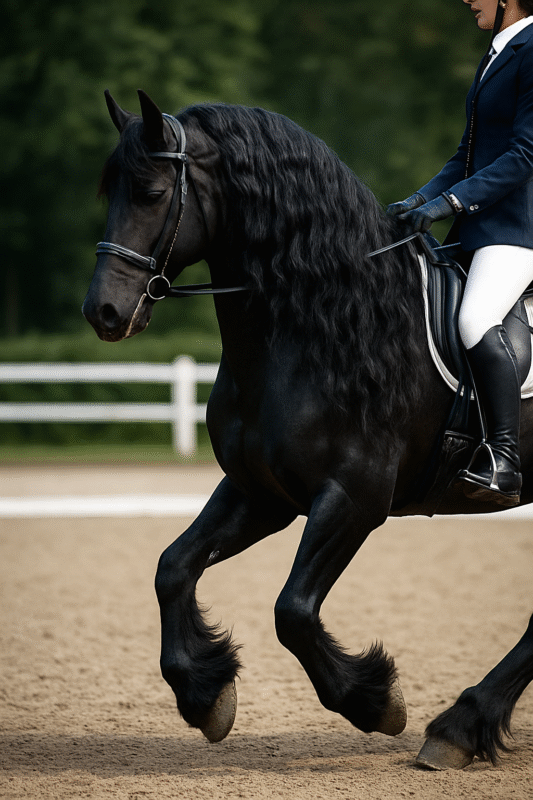
Owning a Friesian horse is a dream for many equestrian enthusiasts. These majestic horses, with their flowing manes, glossy black coats, and expressive gaits, are instantly recognizable and admired in dressage arenas, driving competitions, and even family riding programs. But beyond their striking appearance, a critical question arises for first-time riders and new horse owners: “Are Friesian horses suitable for beginners?”
The answer is generally affirmative, but with important nuances. Friesians are celebrated for their calm, intelligent, and willing temperament, which makes them approachable for novice riders. Yet, their size, strength, and specific care requirements mean that beginners must proceed thoughtfully. This comprehensive guide will explore the Friesian temperament, rider suitability, riding style, and essential care tips to ensure a safe and rewarding partnership for first-time owners.
Understanding Friesian Temperament: Why They Stand Out
The Friesian horse is often described as a “gentle giant” or the “black pearl” of the horse world. Their temperament is one of the key reasons they can be appropriate for beginners, but understanding the subtleties is essential.
Calm and Steady Disposition
Friesians are known for their collected and unflappable nature. Unlike some hot-blooded breeds prone to spooking, Friesians tend to remain calm in new situations, whether it’s a busy trail, a bustling barn, or sudden noises. This steadiness gives beginners confidence and reduces the risk of accidents caused by a frightened or reactive horse.
Willingness to Work
Friesians enjoy human interaction and are generally eager to please. They respond well to training and guidance, making them highly cooperative partners for novice riders. This willingness fosters a positive learning environment where beginners can make small mistakes without fear of punishment from their horse.
Intelligence and Trainability
One of the most attractive traits for first-time owners is the Friesian’s intelligence. These horses learn commands quickly and often excel at both basic riding and more complex dressage movements. This adaptability allows beginners to grow in skill alongside their horse, creating a rewarding long-term partnership.
Forgiving Nature
Friesians tend to be forgiving of minor rider errors, such as uneven posture or delayed cues. This trait is especially valuable for beginners who are still developing coordination, balance, and confidence in the saddle.
Moderate Energy Levels
Despite their size and athleticism, Friesians typically exhibit calm energy. They are not as high-strung as certain breeds, making them manageable for riders who are still mastering control and command.
Important Consideration: Every Friesian has its own personality. While breed tendencies are beginner-friendly, it’s critical to spend time with the individual horse to ensure a good match with your experience and skill level.
Who Should Ride a Beginner-Friendly Friesian?
Friesians can accommodate novice riders, but the right horse-rider match is key. Not every Friesian is suitable for beginners, so here’s what to look for:
Well-Trained and Experienced Horses
A Friesian with solid foundational training and a history of consistent behavior is ideal for first-time owners. Older, well-schooled horses often serve as “schoolmasters,” guiding beginners safely while teaching correct riding technique.
Balanced Temperament
For novices, a horse that is responsive but not overly sensitive is preferable. Beginners may apply aids inconsistently, so a horse that doesn’t overreact is much safer and more enjoyable.
Proven Soundness
Chronic lameness or underlying health issues can complicate learning. First-time riders should select a horse with a clean health record and regular veterinary care.
Calmness in Multiple Situations
Observe how the horse reacts to other horses, new environments, and strangers. Consistency in behavior across various settings is a good indicator of beginner suitability.
Caution: Green Friesians—young, untrained, or minimally trained horses—are not suitable for beginners. Handling these horses requires experience and should involve guidance from a professional trainer.
Friesian Riding Style: Power, Elegance, and Comfort
Friesians are visually stunning and physically impressive, with characteristics that can affect the beginner riding experience.
Smooth, Expressive Gaits
Many Friesians have a comfortable walk and canter, although their trot may feel bouncy or animated to new riders. Beginners often benefit from lessons that adapt to the horse’s natural movement while improving balance and seat.
Size and Strength Considerations
Adult Friesians typically stand 15 to 17 hands tall (60–68 inches) and weigh between 1,200–1,500 pounds. First-time riders must understand the horse’s physical power and learn safe handling techniques, both on the ground and under saddle.
Versatility
Friesians excel in dressage, driving, and pleasure riding. A well-trained Friesian in low-level dressage or general riding is an excellent choice for beginners seeking a horse that can develop with their growing skills.
The combination of power, elegance, and trainability allows beginners to feel safe while gradually learning advanced skills.
First-Time Owner Care Guide: Essential Tips for Friesian Horses
Owning a Friesian horse is deeply rewarding, but it comes with breed-specific responsibilities. Proper care is essential to maintain their health, beauty, and temperament.
1. Daily Care and Observation
-
Health Checks: Monitor for injuries, behavioral changes, appetite fluctuations, or signs of lameness.
-
Turnout: Daily access to pasture or paddocks is ideal.
-
Shelter: Protect your horse from sun, wind, rain, and extreme temperatures.
2. Feeding and Nutrition
-
Large Appetite: Friesians consume substantial forage due to their size.
-
Balanced Diet: Work with a veterinarian or equine nutritionist to prevent metabolic or weight issues.
-
Supplements: Consider joint, hoof, and coat supplements, especially if your horse is actively ridden or competing.
3. Grooming and Feather Maintenance
-
Mane and Tail Care: Detangle and condition regularly; braiding can prevent breakage.
-
Feathers: Long leg hair traps moisture and dirt, which can lead to “mud fever.” Daily cleaning and occasional trimming around the pasterns help prevent problems.
-
Bathing: Thoroughly rinse and dry feathers to maintain skin health.
4. Hoof Care
-
Farrier Visits: Schedule every 4–8 weeks to maintain proper balance and soundness.
-
Thrush Prevention: Keep hooves clean and dry, particularly under feathered areas.
5. Veterinary Care
-
Routine Vaccinations and Deworming per veterinary guidance.
-
Dental Care: Annual examinations and floating are essential.
-
Breed-Specific Health Concerns: Rare conditions like megaesophagus, dwarfism, hydrocephalus, PSSM, insulin resistance, lymphedema, and aortic rupture exist. Reputable breeders should provide genetic testing and health history.
6. Training and Ongoing Education
-
Riding Lessons: Both the horse and rider benefit from continuous learning.
-
Groundwork: Reinforces respect, manners, and safe handling.
-
Continued Education: Stay informed on nutrition, grooming, and health to ensure your Friesian thrives.
Additional Tips for Beginner Owners
-
Hire a Professional Trainer: Even experienced riders recommend a trainer for the first few months with a new horse.
-
Invest in Proper Tack: High-quality saddles, bridles, and safety equipment improve comfort and control.
-
Socialization: Friesians are herd animals and benefit from interaction with other horses to maintain mental well-being.
-
Gradual Introduction: Introduce your Friesian to new experiences slowly to build confidence for both horse and rider.
-
Observe and Adapt: Each Friesian is unique. Adjust your training, riding, and care routines according to your horse’s temperament and needs.
Conclusion
Friesian horses are an exceptional choice for beginners who are ready to commit to their care and training. Their combination of gentle temperament, intelligence, and willingness to please makes them ideal companions for first-time riders. By selecting a well-trained, calm, and healthy horse, and preparing for the responsibilities of feeding, grooming, hoof care, and veterinary management, beginners can enjoy a safe, enjoyable, and rewarding equestrian experience.
At Diamond E Horse, we specialize in helping new and experienced riders find the perfect Friesian match. With proper guidance, first-time owners can build a bond with their Friesian that is as majestic, graceful, and loyal as the horse itself.
Whether your goal is pleasure riding, dressage, or driving, a Friesian can provide a lifelong partnership that grows alongside your skills and confidence.
