
Uncategorized
Clydesdale Horses for Sale
Nov
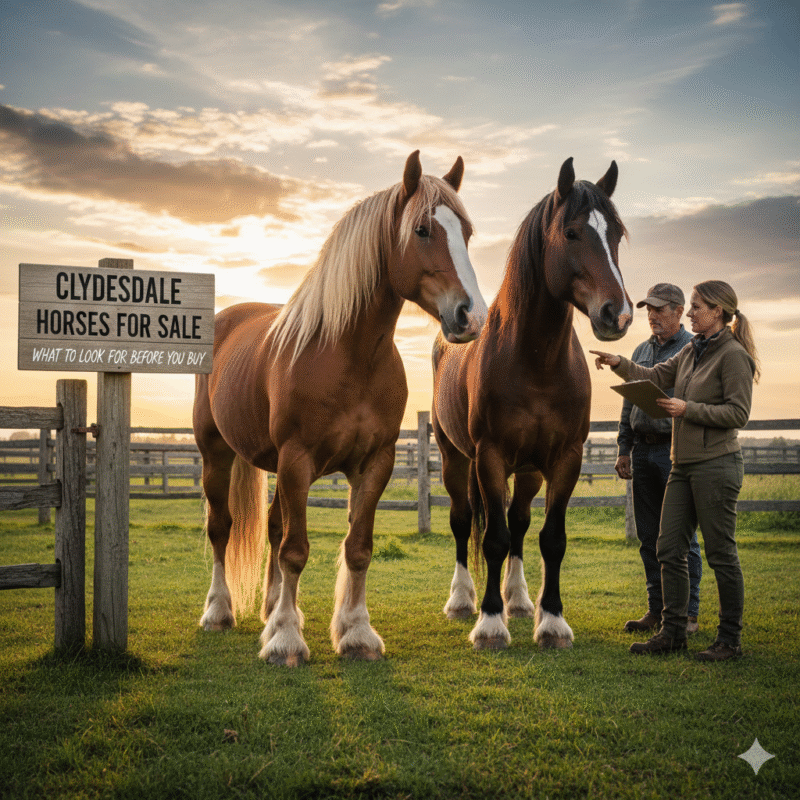
Clydesdale Horses for Sale: What to Look for Before You Buy
Buying a Clydesdale horse is an exciting and rewarding decision. These gentle giants are known for their massive size, impressive feathering, calm nature, and versatility — from riding and driving to farm work and show competitions. But investing in a Clydesdale is not something to rush into. Whether you’re looking for a family-safe companion, a show-quality horse, or a trained driving partner, knowing what to look for will help you make a confident and informed purchase.
This guide breaks down everything buyers should know before purchasing a Clydesdale horse, including temperament, age, training, conformation, price ranges, red flags, and tips on finding reputable sellers like Diamond E Horse.
1. Understanding the Clydesdale Breed: Why They Are in High Demand
Clydesdales have a long history as powerful draft horses, originally bred in Scotland for heavy farm and industrial work. Today, they’re prized for much more:
-
Gentle and calm temperament
-
Impressive height (16–18 hands and up)
-
Feathered legs and classic bay or black coloring
-
Versatility in riding, driving, parades, ranch work, and shows
Because of their size and sweet personality, Clydesdales attract first-time horse owners, families, riders, farms, and collectors alike — making them one of the most searched draft breeds online.
If you’re looking for Clydesdale horses for sale, being fully informed will help you pick the right one.
2. Key Qualities to Look for When Buying a Clydesdale
Not every Clydesdale is the same. Their temperament, training, health condition, and background can vary dramatically.
Here are the most important factors to evaluate:
A. Temperament & Personality
Clydesdales are often nicknamed “gentle giants” for a reason — but each horse has its own personality.
Look for signs of a good temperament:
-
Calm and steady on the ground
-
Easy to catch, halter, and groom
-
Shows respect for human space
-
Not overly spooky or reactive
-
Good around children, dogs, or livestock
-
Soft and willing mindset
If a seller claims the horse is “green” or “needs an experienced rider,” be sure you fully understand the training level required.
B. Age and Experience
Age is one of the biggest factors that affects price, behavior, and long-term reliability.
| Age Range | What It Means | Ideal Buyer |
|---|---|---|
| 1–3 years | Young and typically untrained | Breeders, trainers |
| 4–7 years | Prime training years, rideable, learning fast | Most buyers |
| 8–12 years | Fully matured, reliable, experienced | Families, beginners |
| 13+ years | Senior but still useful | Light riding or companionship |
If you’re new to horses, avoid young or untrained Clydesdales. A trained adult is the safest, most reliable choice.
C. Training Level
Draft horses can be trained for:
-
Riding
-
Driving
-
Farm work
-
Trail riding
-
Show competitions
-
Parades
-
Therapy or family-safe use
Ask the seller detailed training questions:
-
Does the horse ride alone and in groups?
-
Has it worn harness gear before?
-
Can it pull a cart or wagon?
-
Is it road-safe and traffic-safe?
-
Has it been exposed to loud noises, crowds, or machinery?
The more exposed the horse is, the smoother your transition will be.
D. Conformation and Build
Good conformation contributes to soundness, performance, and longevity.
Key features of a well-built Clydesdale:
-
Strong, straight legs
-
Correct pastern angles
-
Wide chest and powerful hindquarters
-
Clean, symmetrical movement
-
Healthy hooves
-
Balanced topline
Clydesdales are a heavy breed, so proper structure is very important to prevent long-term joint issues.
E. Feathering and Coat Quality
Most buyers want the classic “Clydesdale look.” High-quality Clydesdales have:
-
Thick white feathers
-
Clean, healthy skin (no mud fever or mites)
-
Rich bay, black, or roan coats
-
Even white markings
Skin conditions under the feathers are common in draft breeds, so always inspect carefully.
F. Health and Medical History
A reputable seller should openly provide:
-
Vaccination records
-
Deworming schedule
-
Hoof care history
-
Dental care
-
Any past injuries
-
Previous ownership
Typical health concerns to check for:
-
Draft horse scratches / mites
-
Joint stress from heavy work
-
Hoof cracks or thrush
-
Respiratory issues
-
Lymphangitis (swelling in legs)
A pre-purchase vet exam (PPE) is strongly recommended before finalizing any sale.
3. Understanding Clydesdale Pricing: What Should You Expect to Pay?
Clydesdales vary widely in cost depending on age, training, pedigree, and purpose.
Average Price Range
| Type of Clydesdale | Price Range |
|---|---|
| Untrained yearling/2-year-old | $2,000–$4,000 |
| Lightly trained young adult | $4,000–$7,500 |
| Fully trained riding/driving horse | $8,000–$15,000 |
| Show-quality or registered | $15,000–$25,000+ |
| Rare colors / premium bloodlines | $20,000–$50,000+ |
Transport fees, vet exams, new tack, and board are additional costs to consider.
At Diamond E Horse, prices are transparent, and each horse listing explains age, training, disposition, and suitability — making the buying process easier and safer.
4. Red Flags to Avoid When Buying a Clydesdale
Not every seller is transparent. Here are signs to walk away:
-
Seller refuses a vet exam
-
No videos of riding or driving
-
Horse is always “freshly washed” (may hide skin issues)
-
Pushy sales tactics
-
No proof of age or registration
-
Underweight or poor hoof condition
-
Horse kept in unclean, overcrowded conditions
A good seller will always let you ask questions, request videos, and perform a PPE.
5. Where to Find Reputable Clydesdale Horses for Sale
You have multiple options when searching for a quality Clydesdale:
A. Reputable Breeders
Offer pedigree history, training, and long-term support.
B. Trustworthy Farms and Ranches
Often sell well-trained, family-safe horses.
C. Online Marketplaces
Useful for browsing, but always verify the seller.
D. Dedicated horse sales websites like Diamond E Horse
Your reliable source for top-quality horses with transparent details and customer service.
At Diamond E Horse, every listing includes temperament notes, recent photos, videos on request, and health information — making the experience safe and stress-free.
6. Tips for a Successful Purchase
Get Videos First
Ask for videos showing riding, driving, saddling, picking up feet, trailering, and general handling.
Ask About Daily Behavior
Is the horse easy to feed, halter, groom, or trailer?
Try the Horse (If Possible)
If you can visit, interact with the horse on the ground before riding or driving.
Budget for Ongoing Care
Draft horses eat more, need larger tack, and require careful hoof care.
Choose a Seller Who Communicates Clearly
A seller who is patient, responsive, and transparent is worth far more than a lower price.
Conclusion: Finding the Perfect Clydesdale Horse
Buying a Clydesdale is a big commitment — emotionally, physically, and financially. But with the right guidance and a trusted seller, you can bring home a horse that is safe, healthy, well-trained, and an incredible companion.
Whether you are looking for a beginner-safe riding horse, a show-quality gelding, a trained driving pair, or a gentle family giant, Diamond E Horse is here to help you find the perfect match.
